How it works
Here's what your robot does when the snow starts, and what our crew does behind it all season.
Before winter
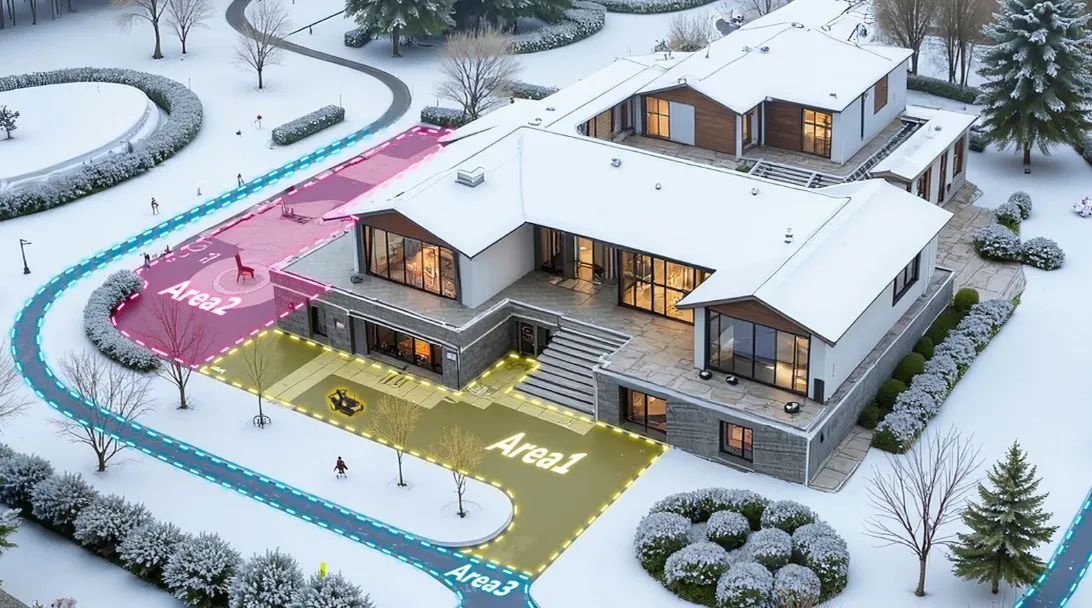
Setup starts with a site visit. We map your driveway, walks, and paths into a precise route plan, mark no-go zones like flower beds and drains, and set throw zones so cleared snow always has somewhere smart to land. Then the robot practices its route before the first storm ever hits.
Storm mode
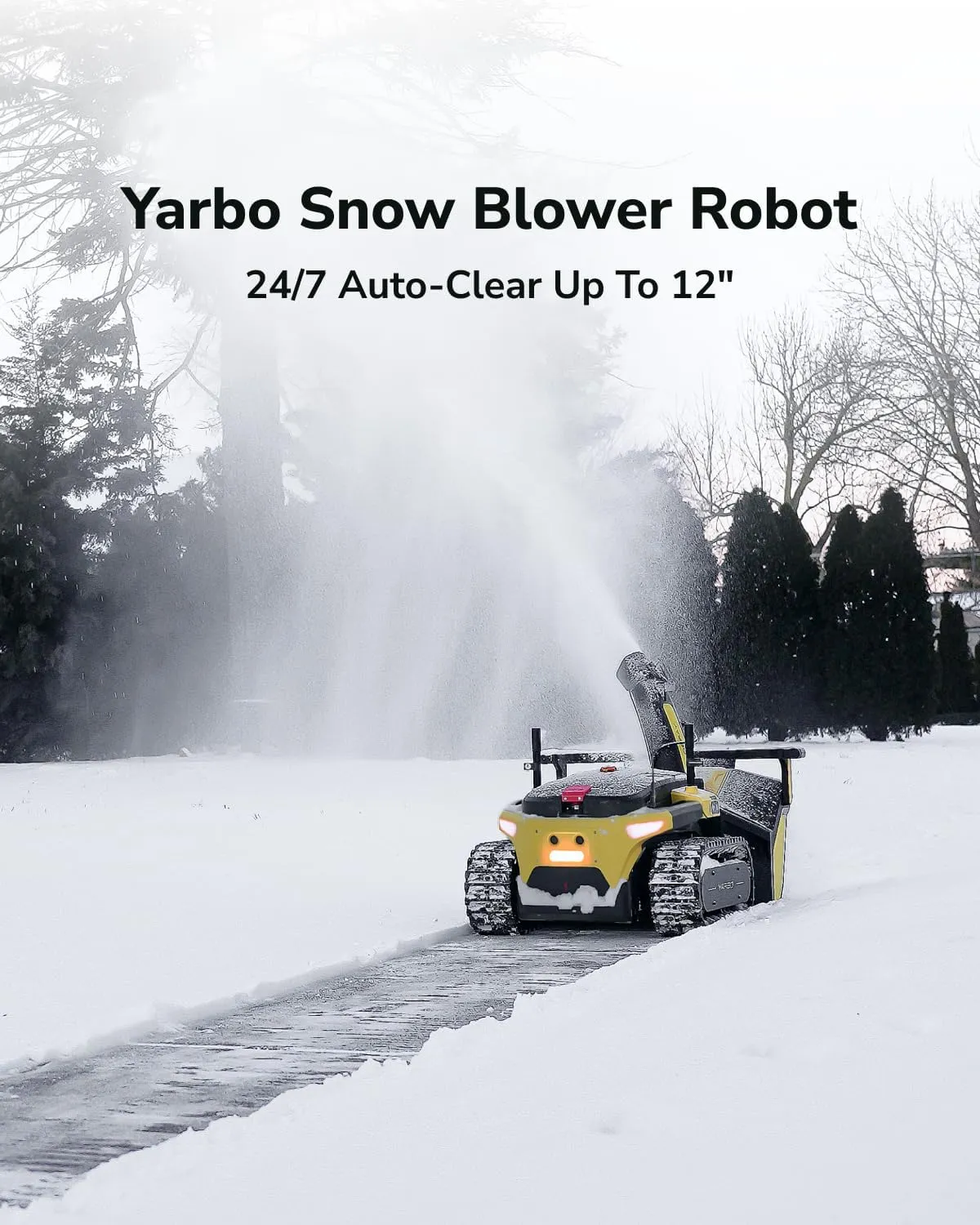
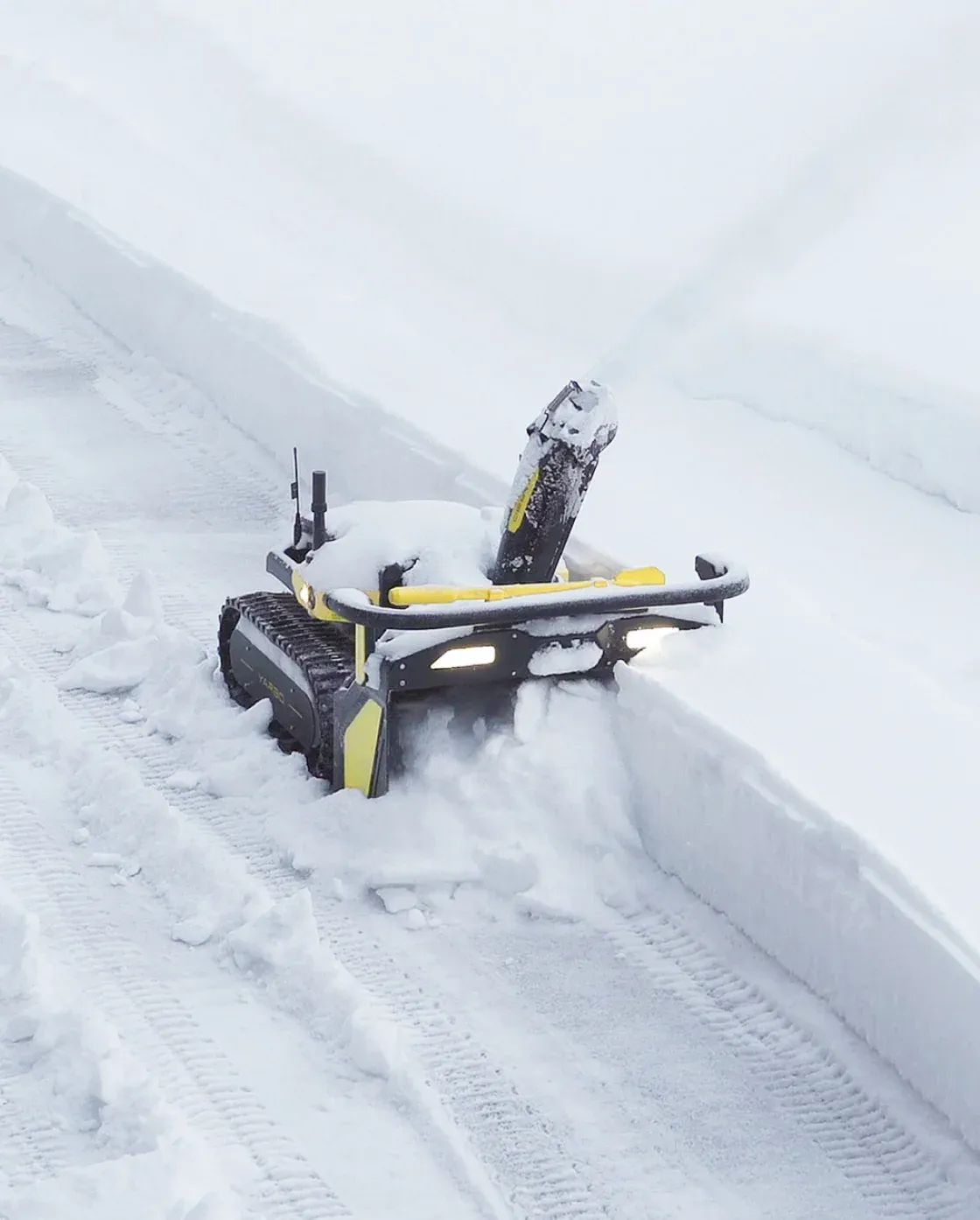
The robot doesn't wait for the storm to end. It deploys on its own, clears up to 12 inches per pass, and keeps cycling its route as accumulation builds — day or night. By the time you're up, the driveway is black.
Throw control
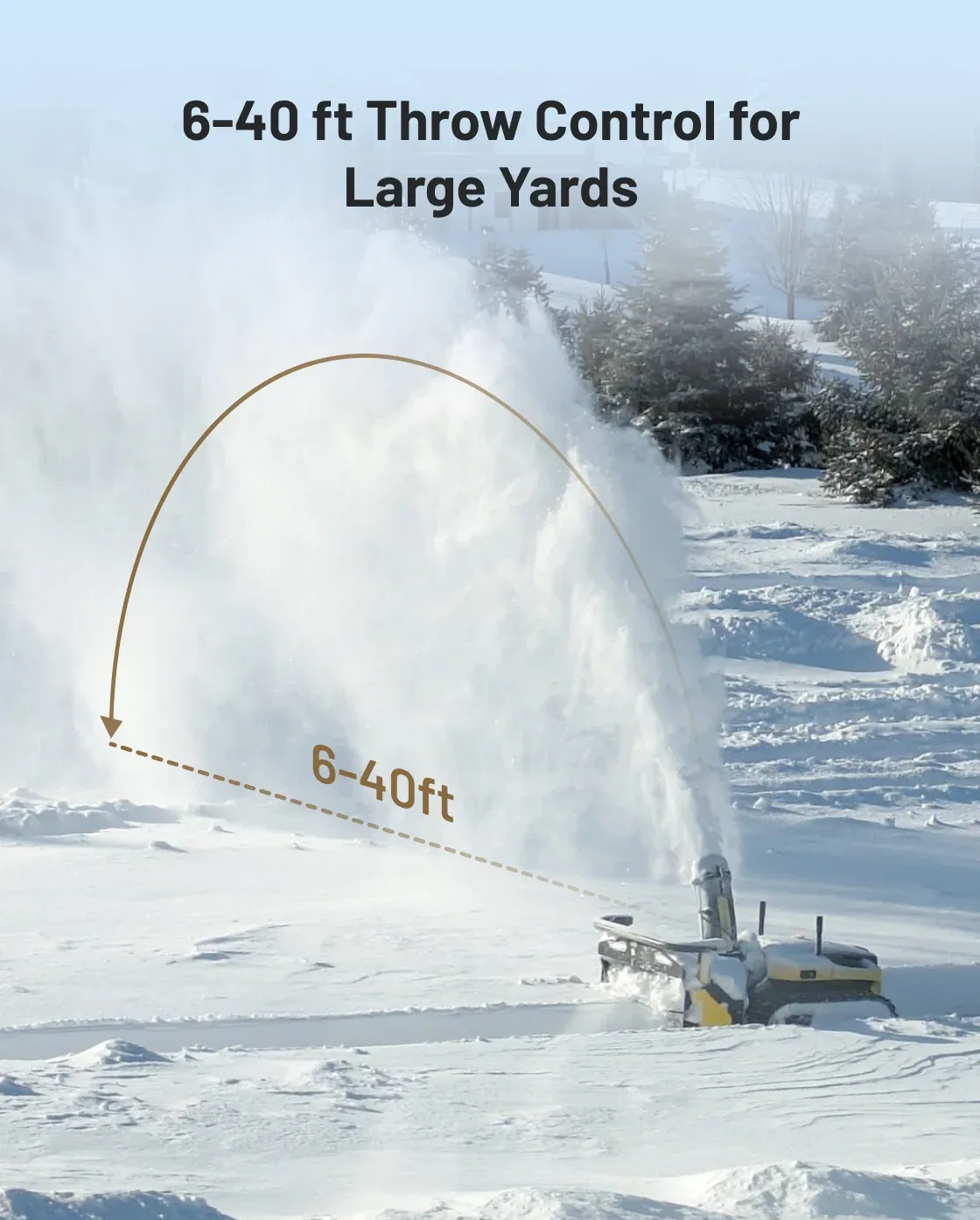
Throw distance adjusts from 6 to 40 feet with directional control on the chute. Big yard? Send it far. Tight lot line? Keep it close. The zones get set once during mapping, and the robot respects them every pass.
Built for the worst nights
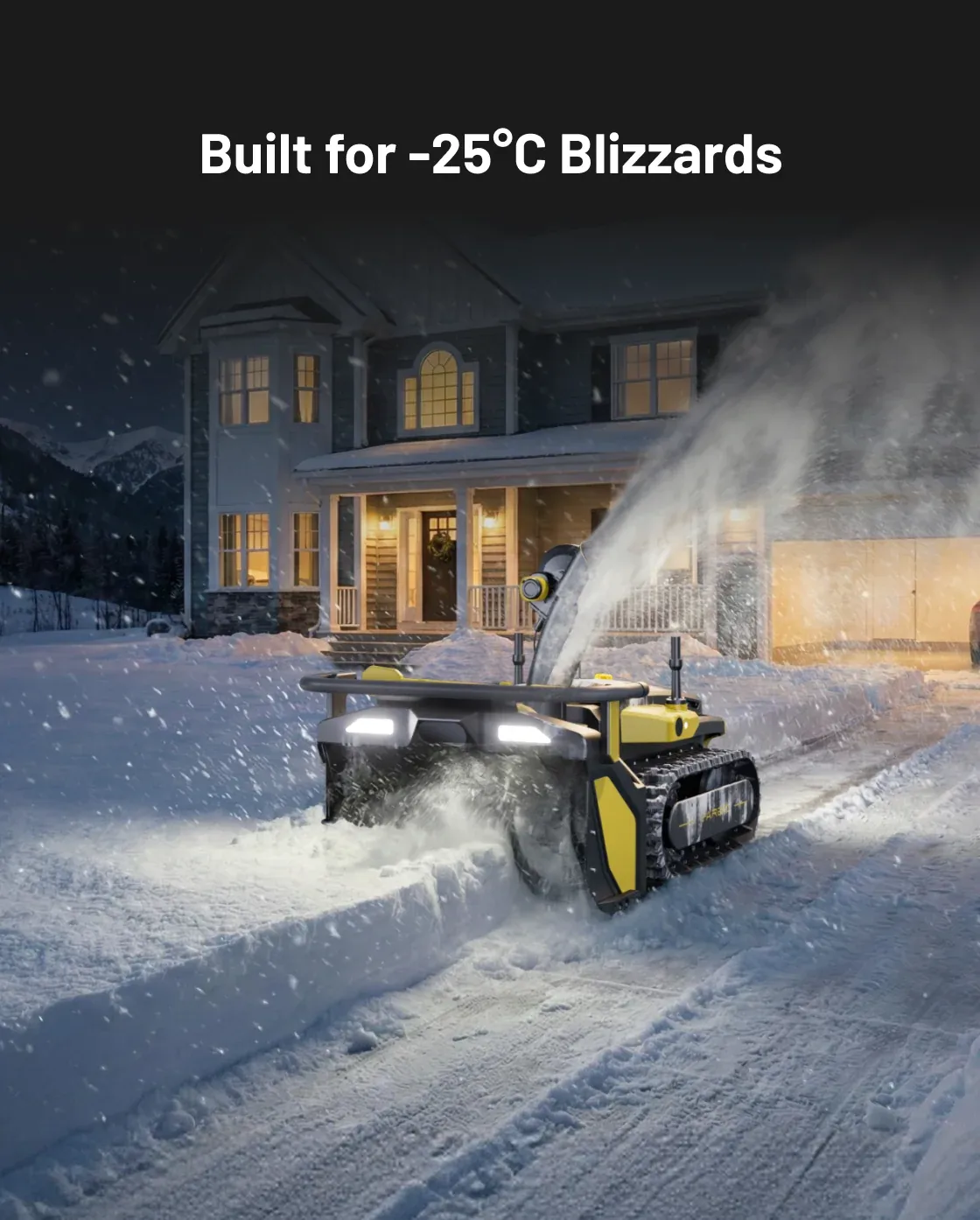
Tracked drive, sealed electronics, and cold-rated batteries mean the robot works through the storms you'd least want to shovel in. Deep drifts, sideways snow, single-digit nights — it just keeps cycling.
All winter
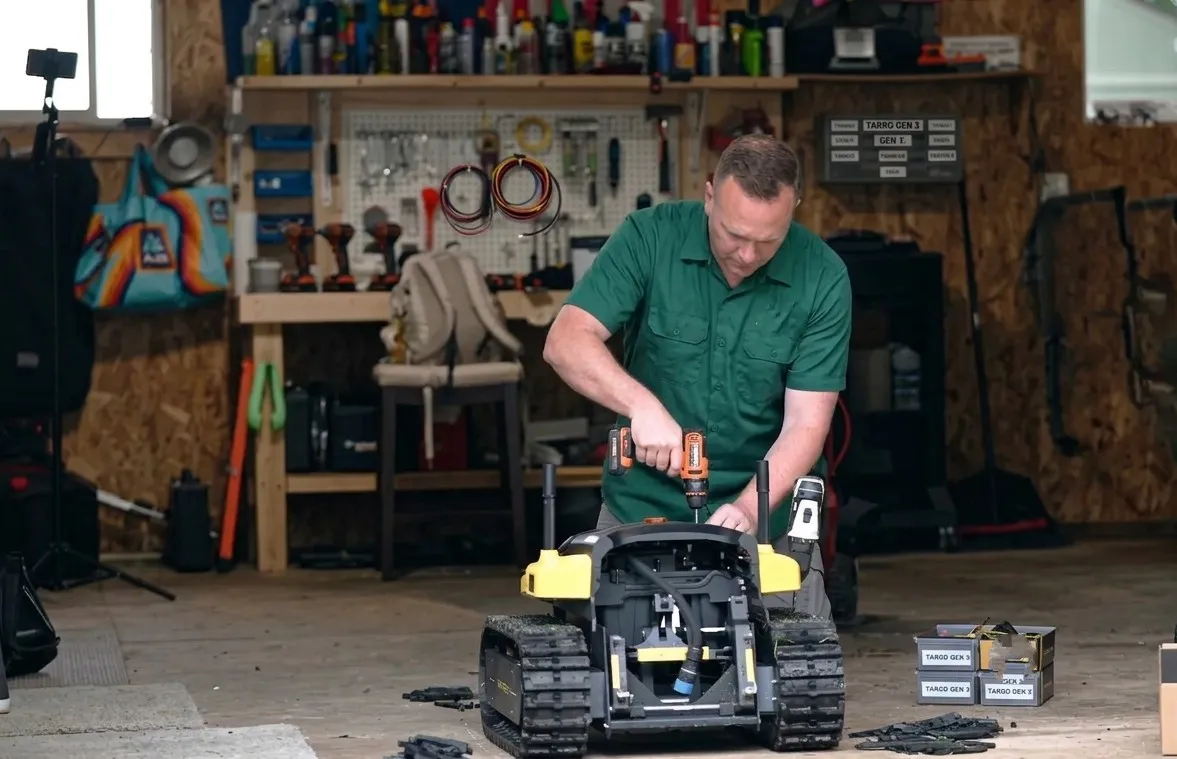
Zippy Snow isn't a gadget you babysit. Your local Zippy crew monitors the system, keeps up with maintenance, and shows up when winter gets creative. If a storm outruns the forecast, we're watching the same dashboard you are.
FAQ
Up to 12 inches per pass. In a big storm the robot doesn’t wait for the snow to stop — it makes repeated passes as accumulation builds, so it never faces more than it can clear.
Yes. It runs 24/7, is rated for operation down to −25 °C, and carries its own lights. Storms are exactly what it’s for.
Wherever you want it. Throw distance adjusts from 6 to 40 feet, and we set throw zones during mapping so snow lands on the lawn — not the sidewalk you just cleared, and not the neighbor’s car.
Most driveways and walkways are a great fit. Every Zippy Snow setup starts with a site assessment where we confirm surfaces, slopes, and layout before anything is installed.
That’s the Zippy part: your local crew monitors the system, handles maintenance, and comes out when winter throws something weird at it. You’re never the robot’s mechanic.